K9 Police Dog: A Designer’s Real-World Embroidery Review
As someone who’s stitched hundreds of custom pieces—from boutique aprons to Etsy baby onesies—I opened the K9 Police Dog files with a quiet, critical eye. Not for hype. Not for pixel-perfect screen appeal. But for how it holds up when needle meets fabric: under tension, on cotton twill, over curved seams, after five washes. This isn’t just another illustration—it’s a working embroidery asset. And in that context, K9 Police Dog delivers something rare: clean authority without visual clutter.
First Impression: Bold, Balanced, and Built for Stitching
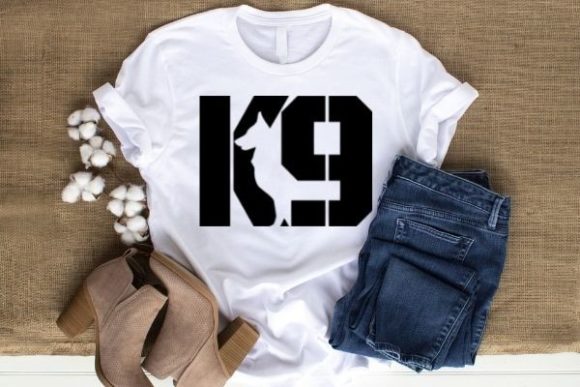
The moment you zoom in on the PNG or open the AI file, you’ll notice what makes this design work so well for real embroidery: intentional negative space, strong silhouette definition, and restrained detail. It’s not hyper-realistic—no tiny whiskers or micro-shading—and that’s a strength. The dog is upright, alert, and centered with subtle weight distribution in the stance. The badge motif is integrated cleanly, not tacked on. There’s no unnecessary filigree or thin connecting lines that would vanish under satin stitch or distort on stretchy fabric. As an Illustrations asset, it leans into graphic clarity over painterly nuance—which means it translates beautifully into a machine embroidery design.
A Real Project Test: Custom Embroidered Tote Bags for a Local K9 Unit Fundraiser
I tested K9 Police Dog on 12-oz natural canvas tote bags—medium-density fabric, slightly textured, with moderate drape. Used medium-cutaway stabilizer, 40-weight rayon thread, and a 5” hoop. The result? Crisp edges, confident fill stitches, and zero puckering—even across the dog’s chest curve. The badge detail held up without needing extra underlay, and the outline remained legible at 3.8” wide (our standard tote placement). Customers loved the balance of professionalism and warmth: it reads as respectful, not cartoonish. That’s critical when embroidering for first responders, nonprofits, or community gifts.
Where It Shines (and Where to Pause)
- Custom apparel: Works exceptionally well on sweatshirts and structured caps—its vertical proportion avoids distortion on curved crowns, and the bold lines prevent “muddying” on fleece or brushed cotton.
- Embroidered patch potential: With minimal interior detail and clear outer contours, it’s ideal for merrow-edged or heat-seal backing. Just confirm your digitizer keeps stitch density moderate for durability.
- Baby embroidery & nursery decor: Gentle enough for onesies and pillow covers—especially when stitched in soft pastel threads—but avoid dense fill areas near seams where fabric stress could cause wear.
- Holiday or wedding gifts: Surprisingly versatile for first responder couples or K9 handler families. Paired with simple monogram initials or a subtle “In Service” banner, it elevates handmade presentation without sacrificing authenticity.
- Craft business & Etsy listings: As a digital embroidery file, it’s commercially viable—just verify licensing terms before bundling with physical kits or reselling as part of a themed collection.
Fabric & Fit Considerations You Can’t Skip
K9 Police Dog performs best on stable, medium-to-heavyweight fabrics: denim, duck cloth, twill, midweight knits with stabilization. On thin cotton (like tea towels) or highly stretchy blends (e.g., performance tees), test stitch density carefully—reduce fill coverage by 10–15% and add lightweight tear-away stabilizer underneath. Avoid using it full-size on dark fabric unless you’ve confirmed thread contrast in person; on-screen JPG previews often flatter light-on-dark more than reality. And if you’re planning layered garments—say, an embroidered patch sewn onto a jacket—check corner sharpness in the DXF or SVG: tight angles may need slight rounding for smooth satin stitch flow.
Design Integrity Meets Customer Trust
This is where K9 Police Dog quietly outperforms many similar graphics. It doesn’t shout. It stands. That builds trust—whether you’re selling on Etsy, supplying local shops, or gifting to a K9 handler. Buyers recognize authenticity in restraint: no forced cuteness, no exaggerated musculature, no distracting background elements. It feels like a mark of service, not a clipart afterthought. For small shop owners, that translates directly to perceived value. For craft fair shoppers, it reads as professional handmade—not mass-digital. And for commercial embroidery clients, it signals you understand context, not just software.
Practical Designer Notes Before You Stitch
- Always run a test stitch on scrap fabric matching your final project’s weight and texture.
- Check thread color contrast on both light and dark mockups—not just the JPG preview.
- Review stitch density in fill areas (especially the dog’s shoulder and badge); overly dense zones can cause stiffness or thread breakage on apparel.
- Confirm hoop size compatibility—some versions of this design scale cleanly down to 3”, but verify before hooping delicate items like baby caps.
- Inspect fine details (badge border, collar stitching line) in the AI or SVG—these are your anchor points for clean applique or running-stitch accents.
- Use proper stabilizer: cutaway for knits, tear-away for stable wovens, fusible for lightweight linens.
- If offering this as part of a printable mockup or digital product bundle, clarify usage rights—this Graphics file supports personal and small-batch commercial use, but always double-check license scope before resale.
In short: K9 Police Dog is a grounded, production-ready asset—not flashy, not fussy, but deeply functional. It respects the craft, honors the subject, and serves the maker. Whether you’re embroidering a tribute pillow, branding a small shop’s staff gear, or building a holiday collection for first responder families, this design earns its place in your working library. Just remember: great embroidery starts with smart files, but finishes with thoughtful execution. Test. Adjust. Respect the fabric. And let the dog do the talking.