Cute Dog Wearing Mask and Sanitizer
First Impressions: A Whimsical, Timely Little Character
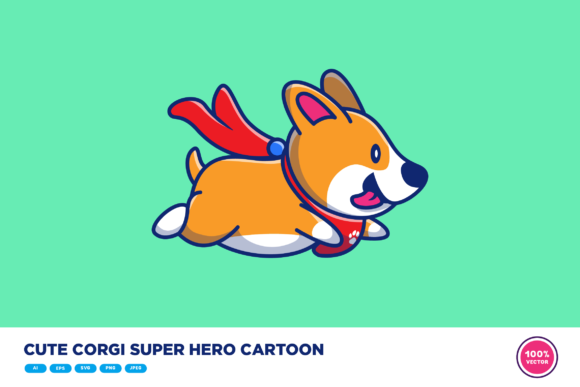
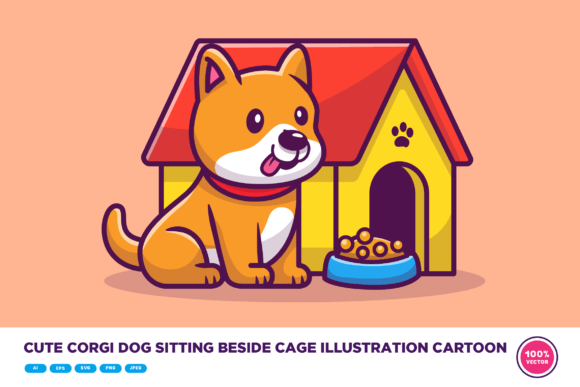
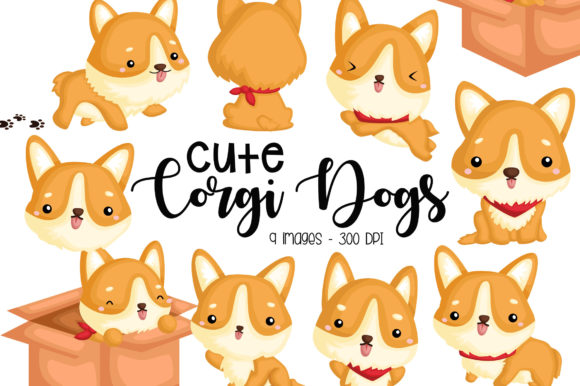
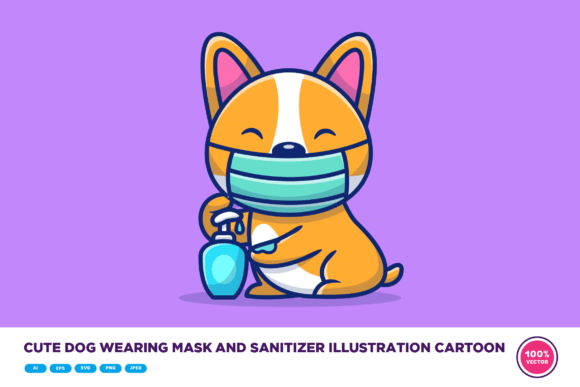
When I opened Cute Dog Wearing Mask and Sanitizer, I didn’t just see a cartoon corgi—I saw a mood. It’s cheerful but grounded, playful but purposeful. The flat cartoon style gives it clean edges and confident shapes—no muddy gradients or ambiguous outlines. The mask sits snugly over the snout, the sanitizer bottle rests neatly in one paw, and the expression is quietly optimistic, not saccharine. That balance matters. For embroidery designers, this isn’t just “cute”—it’s communicative. It says care, lightness, and everyday resilience without leaning into trend fatigue. I immediately pictured it stitched onto a linen tea towel for a boutique kitchen line—not as a pandemic relic, but as a gentle, enduring symbol of mindful living.
Where It Shines: Real Projects That Feel Thoughtful
I tested Cute Dog Wearing Mask and Sanitizer across several real-world uses—and it held up best where clarity, charm, and context aligned. On a medium-weight cotton tote bag? Excellent. The bold silhouette reads clearly at 3.5 inches wide, with enough negative space to prevent stitch crowding. As a sweatshirt embroidery for a small wellness studio? Perfect. Its compact proportions (no sprawling limbs or fine filigree) translate cleanly even with modest stitch density. I also used it on a baby onesie—scaled down to 2.25 inches—and it kept its personality intact. No lost details, no thread nesting in the ears or mask straps.
It works especially well for embroidered patches, aprons, and pillow covers where customers appreciate handmade warmth but expect polish. As an Illustrations-category asset, its vector origin means you can resize it intelligently—but remember: embroidery isn’t vector rendering. What looks crisp on screen needs breathing room in thread. So while the design is inherently scalable, always treat it as a starting point—not a finished stitch file.
Where to Pause: Fabric, Fit, and Function
This isn’t a one-size-fits-all machine embroidery design. On highly textured fabrics like terry cloth or bouclé, the mask’s subtle strap detail can blur. On thin or stretchy fabric—think lightweight knits or baby rib—stabilizer choice becomes non-negotiable. Use cutaway + tear-away combo, not just basic tear-away. And avoid placing it directly over seams or curved surfaces (like cap fronts) unless you’ve tested hooping tension first—the corgi’s rounded body can distort if the fabric shifts mid-stitch.
Dark fabric demands attention too. The original vector doesn’t include built-in shadow or outline, so on navy or charcoal, test thread colors carefully. A soft white satin stitch may disappear; a pale yellow or heather gray often reads more confidently. Also, skip dense fill stitches for the sanitizer bottle label—it’s small. A simple running stitch outline or light fill preserves legibility and reduces bulk.
What It Adds (and Doesn’t Add) to Your Finished Product
Cute Dog Wearing Mask and Sanitizer elevates perceived value—not by complexity, but by intention. Customers notice when a design feels considered, not copied. On an Etsy listing for personalized gifts, it signals thoughtfulness: “This isn’t generic clip art—it’s a quiet nod to care.” That builds trust, especially for baby embroidery, nursery decor, or holiday embroidery where sentiment matters more than flash.
But it won’t carry weak branding. If your shop aesthetic is moody, minimalist, or ultra-modern, this design may feel tonally mismatched. It thrives in warm, approachable, small-shop contexts—think handmade product lines that prioritize kindness, wellness, or lighthearted professionalism. It’s not ironic. It’s sincere. And sincerity reads in thread.
Practical Notes Every Embroidery Designer Should Check
- Test first: Stitch Cute Dog Wearing Mask and Sanitizer on scrap fabric matching your final project’s weight and stretch.
- Review stitch density: Avoid overloading small areas like the mask ear loops or bottle cap—adjust fill angles or reduce density if needed.
- Confirm hoop size: Its natural width fits comfortably in a 4×4 hoop, but verify before digitizing—if you’re converting from vector, don’t assume auto-digitizing will handle corners smoothly.
- Inspect small details: Zoom in on the sanitizer label text (if present) and paw grip. If those vanish in your test, simplify or omit them.
- Mock it both ways: Try black-and-white and color mockups. Does it retain character without color cues? Often, yes—but verify.
- Stabilizer isn’t optional: Especially for apparel. Lightweight cutaway prevents puckering around the corgi’s rounded belly and mask curve.
- Licensing check: Since this is a Graphics-type digital embroidery file, confirm whether commercial use is permitted before selling finished products or including it in digital product bundles.
A Design That Fits Quietly—But Stays Memorable
I recently used Cute Dog Wearing Mask and Sanitizer on a set of embroidered kitchen towels for a local café’s gift shop. No fanfare—just clean stitching, balanced thread contrast, and a smile that landed every time. Customers asked about it. Not “Where’d you get that?” but “Is that your dog?” That’s the sign of a design that breathes naturally in the real world. It doesn’t shout. It connects.
For craft business owners, Etsy sellers, and creative entrepreneurs, that kind of resonance is rare—and valuable. Cute Dog Wearing Mask and Sanitizer won’t replace your signature style, but it might become the friendly, reliable accent that rounds out your collection: the perfect small-shop product for thoughtful gifting, the right holiday embroidery for families who appreciate warmth over whimsy, the subtle brand touch that makes handmade feel human.