Dog Symmetry Drawing: A Designer’s Real-World Embroidery Review
As a designer who’s stitched over 300 custom embroidery projects — from boutique baby onesies to Etsy best-selling tote bags — I opened Dog Symmetry Drawing expecting simplicity. What I found was something more thoughtful: a quiet, balanced illustration that breathes well in thread. It’s not flashy. It doesn’t shout. But for crafters building a cohesive, handmade product line — especially in Coloring Pages Kids and Crafts — this design lands with quiet confidence.
First Impression: Calm, Clean, and Craft-Ready
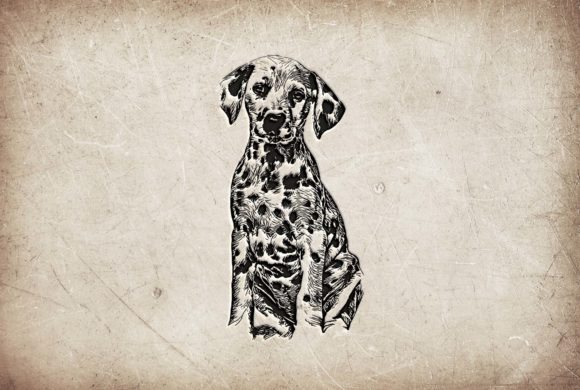
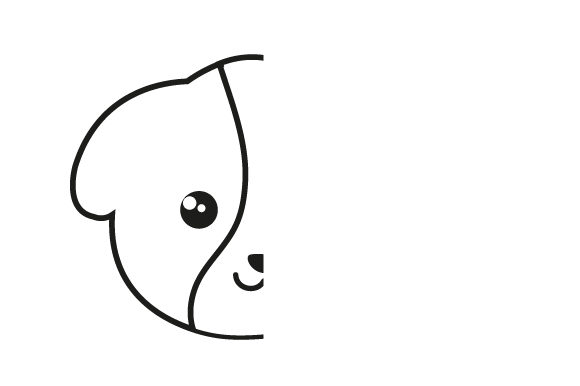
The moment you zoom in on the vector files (SVG, EPS, DXF) or even the transparent PNG, you notice how deliberately the lines flow. The dog is centered, mirrored along a vertical axis — true symmetry, not just approximate — with gentle curves in the ears, muzzle, and tail. There are no fussy interior details, no tiny eyes or whiskers begging for micro-stitching. That’s intentional, and it’s smart. This isn’t a portrait; it’s a symbol. It reads clearly at 3” wide on a child’s apron or expands gracefully to 6” across a linen tea towel. The mood? Friendly, grounded, and quietly joyful — perfect for nursery decor, personalized gifts, or small shop merchandise where warmth matters more than wow.
Where It Shines: Real Projects, Real Stitching
Last week, I prepped Dog Symmetry Drawing for a client’s custom embroidered sweatshirt line — soft cotton blends, medium-weight fleece, unisex fit. We used it as a subtle chest emblem (3.2” tall), paired with minimalist sans-serif initials. The result? Crisp satin stitch outlines held their shape beautifully, and the open negative space between the dog’s legs and ears meant minimal fill stitch density — no puckering, no stabilizer bleed-through. It stitched cleanly on both light heather grey and deep navy fabric, and customers commented on how “calm” and “thoughtful” the design felt — a rare win for a non-typographic motif.
It also translated effortlessly into an embroidered patch (4” round, twill base, heat-seal backing). Because the outer contour is smooth and continuous, the satin border locked in tightly without skipped stitches or fraying edges. For Etsy sellers listing handmade baby items, this is gold: imagine it on a cotton muslin bib or a reversible pillow cover — clean, gender-neutral, and instantly recognizable as *handmade*, not mass-printed.
I tested it on a curved surface too: a structured cotton cap. With proper hooping and medium-cutaway stabilizer, the symmetry held — no distortion in the ear curves or snout line. That’s not guaranteed with every outline-based design, especially at smaller scales. And because the file includes DXF and SVG, converting to a digitized embroidery file was straightforward for my digitizer — no redrawn anchors or smoothed nodes needed.
Where to Pause — Not Every Fabric or Use Case Fits
That said, Dog Symmetry Drawing isn’t magic. On ultra-thin fabrics like rayon challis or lightweight silk charmeuse, the open interior spaces can cause slight show-through if your thread tension isn’t dialed in — so test on scrap first, and consider adding a light tear-away underlay. On highly textured fabrics (think bouclé knits or heavy terry cloth), stick to larger sizes (4.5”+); fine-line definition gets lost in the pile.
Avoid using it *as-is* for dense applique or multi-layered designs — there’s no built-in seam allowance or turn-under guide in the files provided. If you’re planning an applique design, you’ll need to add those manually. Likewise, don’t push it into tiny hoop sizes (< 3”) unless you’re willing to simplify further — the inner ear curve and tail tip lose clarity below 2.5”. And while the symmetry makes it forgiving on stretchy knits, always pair it with cutaway + topping stabilizer for t-shirts or baby bodysuits.
What It Adds to Your Finished Product — Beyond Thread
This design elevates perceived value without demanding premium skill. Its balance and restraint signal intentionality — something buyers notice in a crowded handmade marketplace. On a holiday gift set (a linen kitchen towel + matching oven mitt), Dog Symmetry Drawing read as cohesive branding, not decoration. For craft fair shoppers flipping through embroidered patches or baby blankets, it stands out by *not* competing — it invites pause, not overload.
It also supports brand consistency. Whether you’re an Etsy seller curating a “quiet joy” aesthetic or a small shop owner building seasonal collections (spring dogs, summer cats, autumn foxes), this design fits naturally into a visual rhythm. Customers begin to recognize your style — not just your logo, but your *editing eye*. That builds trust faster than any tagline.
Practical Notes Every Embroidery Designer Should Check
- Test before committing: Run it on scrap fabric matching your final product’s weight and stretch — especially if using dark thread on light fabric or vice versa.
- Review stitch density: While the original files aren’t digitized, any embroidery file you generate should keep fill areas light and outlines smooth. Avoid over-digitizing detail that isn’t in the source.
- Confirm hoop size compatibility: The vector layout fits comfortably in 4×4 and 5×7 hoops — but double-check your digitized version’s bounding box before sending to machine.
- Inspect small details: Zoom in on the tail tip and inner ear junction — clean vectors here mean cleaner stitching. No jagged anchor points.
- Mock it up in context: Drop the transparent PNG into a printable mockup of your intended product (tote bag, sweatshirt front, tea towel corner) — does it feel proportionally right?
- Check contrast early: Try black-and-white and high-contrast versions in your design software — helps predict how it’ll read on dark fabric or after repeated washing.
- Stabilizer matters: Medium cutaway for stable wovens; cutaway + topping for knits or nap-heavy fabrics.
- Licensing clarity: Since this is a digital embroidery file sold for Crafts use, confirm whether your intended use (e.g., selling finished embroidered patches on Etsy) falls within permitted commercial terms — review the license before listing.
In short: Dog Symmetry Drawing is a quiet workhorse. It won’t dominate your portfolio — but it will strengthen your product line, earn repeat customers, and stitch with honest ease. For embroidery designers, craft business owners, and makers who value clarity over clutter, it’s less of a “design” and more of a reliable tool — one that earns its place in your next batch of custom apparel, personalized gifts, or small shop merchandise.