Woman Holding a Dog’s Paw Line Art
A Quiet Moment, Perfectly Framed
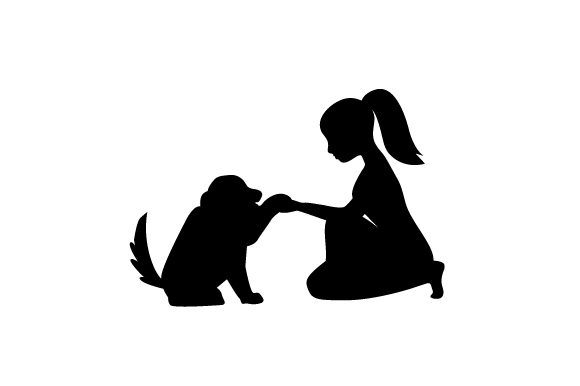
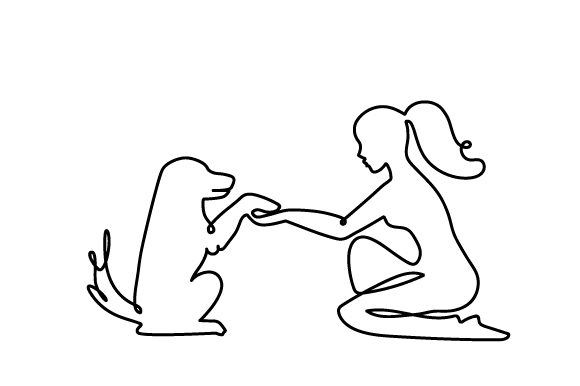
First glance at Woman Holding a Dog’s Paw Line Art tells you everything you need to know: it’s tender, uncluttered, and deeply human. There’s no flourish—just two hands gently meeting, one human, one canine—rendered in clean, confident lines. It doesn’t shout; it invites. As someone who’s stitched hundreds of pet-themed designs for Etsy sellers, boutique baby lines, and custom gift shops, I immediately saw its quiet strength—not as a “cute dog graphic,” but as a gesture that resonates across ages and intentions. This isn’t just a Dogs category filler; it’s a storytelling anchor.
Where It Lives Best: Real Projects, Real Stitches
Last month, I used Woman Holding a Dog’s Paw Line Art on a linen tea towel for a local pet-friendly café’s holiday pop-up. We stitched it in soft charcoal thread on natural off-white fabric—no fill, no shadow, just the line art translated into delicate satin stitch outlines with subtle running stitch accents along the wrist and paw contours. The result? A piece customers paused to touch, smile at, and ask about. That’s the power here: it reads beautifully at 3.5 inches wide on kitchen linens, scales cleanly to 5 inches on a canvas tote, and holds integrity even when reduced to a 2-inch embroidered patch on a denim jacket lapel.
It shines brightest in projects where emotional authenticity matters more than visual noise—think baby onesies (paired with gentle stabilizer), nursery wall hangings, personalized sweatshirt cuffs, or embroidered aprons for dog trainers and rescue volunteers. For Etsy sellers, this design is a quiet seller: it fits seamlessly into curated collections like “Pet Parent Gifts” or “Minimalist Animal Embroidery,” and pairs effortlessly with neutral palettes and organic fabrics. Its simplicity makes it feel handmade—even when machine-stitched—because it leaves room for the craftsperson’s voice to come through.
Where to Pause and Plan
That same elegance becomes a consideration on tricky substrates. On highly textured fabrics like bouclé or thick terry cloth, fine line work can blur or disappear between loops—so test stitch first, and consider slightly widening key strokes in your embroidery software if needed. On stretchy knits (like lightweight sweatshirts), stabilize generously underneath *and* use a light tear-away on top to keep those delicate paw lines crisp and aligned.
Small hoop sizes (under 4 inches) demand attention: the negative space between fingers and paw is intentional, but too-tight hooping can distort proportions. I recommend using a 5x7 hoop minimum for best fidelity—especially if you’re planning layered garments like reversible caps or curved surfaces where tension shifts mid-stitch. Also, avoid placing it near high-friction zones (e.g., elbow seams or bag bottom corners) unless you reinforce with a lightweight cutaway stabilizer. This isn’t a dense fill-stitch design, but its emotional weight means customers notice every line—and they’ll notice if it puckers or drifts.
Color, Contrast, and Customer Trust
Thread color choice changes everything. On dark fabric, go bold: deep navy or forest green satin stitch delivers warmth without heaviness. On light fabric, stick with muted tones—oatmeal, slate, or warm black—to preserve the line art’s subtlety. Avoid neon or high-sheen threads unless you’re intentionally going editorial; this design earns trust because it feels considered, not flashy. When buyers see it on a handmade product, they don’t think “mass-produced clip art”—they think “someone chose this because it meant something.” That perception elevates perceived value, supports premium pricing, and strengthens brand consistency for small shop owners building a signature aesthetic.
Practical Designer Notes You’ll Actually Use
- Always test on scrap fabric—especially with the included SVG or EPS file converted to your machine’s native format. Vector files translate beautifully, but stitch logic depends on your digitizer or software settings.
- Check stitch density before scaling. This design works best with light-to-moderate density—too many overlapping passes mute the line-art clarity.
- Review small details in your embroidery software: the gap between thumb and index finger, the curve of the dog’s paw pad, the slight taper of the wrist. These define its charm.
- Mock it up in black and white first. If it reads clearly without color, it’ll hold up across fabric types and lighting conditions.
- Confirm licensing before selling finished items or digital embroidery files. Since this is offered as an SVG, Transparent PNG, EPS, and DXF, verify whether commercial use is permitted—especially for craft business resale or Etsy digital listings.
- Use proper stabilizer: medium-weight cutaway for knits, tear-away for stable wovens, and fusible + tear-away combo for lightweight linens or tea towels.
Why It Fits—Not Just Fills—a Craft Business
Woman Holding a Dog’s Paw Line Art doesn’t compete with busier, trend-driven designs—it complements them. It’s the thoughtful accent next to a monogrammed tote, the heartfelt detail on a baby blanket tag, the quiet centerpiece of a holiday embroidery kit. For creative entrepreneurs, it’s low-risk, high-resonance design equity: easy to pair with other assets, simple to photograph, and instantly recognizable as both pet-themed and emotionally grounded. It doesn’t need explanation. It just needs good thread, steady hands, and the right moment to land.
If you’re choosing embroidery files for real-world making—not just browsing—you’ll appreciate how this one behaves: predictable in the hoop, expressive in the finish, and quietly memorable in the hand. That’s not just good design. That’s good business.