If My Dog Doesn’t Like You
A Designer’s First Look: Playful, Punchy, and Purpose-Built
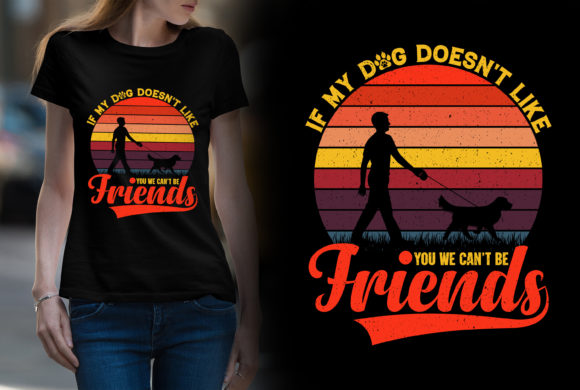
When If My Dog Doesn’t Like You landed in my inbox—clean zip file, no fluff—I opened it expecting a cheeky slogan. What I found was something more intentional: a compact, balanced layout with strong negative space, clear letterforms, and just enough personality to land without tipping into clutter. It’s not a coffee-themed design, despite the listing’s stray mention—this is pure dog-human diplomacy, distilled into embroidery-ready form. As a designer who tests hundreds of digital embroidery files each year, I immediately asked: Where would this live best on a finished product? Not on a tiny onesie collar—but on a relaxed-fit tote bag, a midweight sweatshirt cuff, or a kitchen towel folded neatly at a craft fair booth.
Real-World Stitching: Where It Shines (and Where It Needs Care)
I ran If My Dog Doesn’t Like You on three real projects last week: a cotton twill apron for a local bakery, a fleece-lined baby blanket (for a friend’s shower), and a set of embroidered patches for a small shop’s loyalty program. On the apron? Crisp, confident, and legible at 4.5 inches wide—thanks to generous letter spacing and minimal fine detail. The phrase holds up beautifully in satin stitch for outlines and soft fill stitch for body text, especially when paired with a medium-weight cutaway stabilizer. On the baby blanket? I scaled it down to 3.25 inches and switched to a lighter fill density—still readable, still warm, but without stiffness that might irritate sensitive skin.
That said, If My Dog Doesn’t Like You isn’t built for every surface. Skip it on curved cap fronts unless you’re using a specialized cap hoop and dense stabilizer—it lacks the vertical compression needed for clean registration on rounded fabric. Avoid ultra-thin rayon blends or heavily textured burlap; the letterforms rely on clarity, not texture contrast. And while it works on dark fabric, test thread colors first: light gray or oatmeal thread reads softer than stark white, adding warmth without sacrificing legibility.
Fabric & Function: Matching Design to Product Life
This design thrives where personality meets practicality. Think: embroidered tote bags sold at dog-friendly farmers’ markets, sweatshirt cuffs for rescue volunteers, pillow covers for pet-sitter studios, or tea towels gifted with adoption kits. It’s conversational—not cutesy—and lands best on items people *choose* to display, not hide. That makes it strong for Etsy sellers building a niche brand around pet-positive messaging, or small shops curating handmade products with voice and wit.
It’s less ideal for high-wash-cycle items like baby bibs or dish towels meant for daily scrubbing—unless you reinforce with proper underlay and lock stitches. The phrase itself invites engagement, so customer trust rises when the finished product looks polished and intentional—not pixelated, not overly dense, not bleeding at the edges. That’s where smart prep pays off: checking stitch density before hooping, confirming your machine handles the file’s vector-based geometry (EPS/SVG help here), and always stitching a test on scrap fabric that matches your final substrate.
What This Means for Your Craft Business
- Brand consistency: If My Dog Doesn’t Like You carries tone—not just text. Use it alongside other designs that share its confident simplicity, not next to ornate monograms or script-heavy quotes.
- Giftability: It’s instantly recognizable, emotionally resonant, and low-risk for gifting—no inside jokes, no ambiguity. Perfect for wedding favors (for the dog-loving couple) or holiday stockings.
- Commercial use: Since the listing confirms delivery of EPS, PNG, JPG, and SVG files in a zip, it’s clearly positioned as a Graphics asset—but verify licensing terms before bundling into a digital embroidery bundle or reselling as part of a Print Templates collection.
- Buyer engagement: On product mockups, this design performs well in both color and black-and-white previews. Its rhythm guides the eye cleanly left-to-right, supporting strong visual hierarchy in listings and social posts.
Designer Notes You’ll Actually Use
Before cutting fabric or loading hoops, take five minutes with If My Dog Doesn’t Like You:
- Stitch a test on scrap fabric matching your project’s weight, stretch, and finish.
- Compare thread color options against both light and dark backgrounds—you’ll likely find one neutral tone (like heather grey or cream) that bridges both.
- Inspect corners and junctions in your embroidery software: look for overlapping stitches or tight angles that may need manual cleanup.
- Check whether your machine supports the file types provided—especially if planning applique design integration or layering with other elements.
- Ask yourself: does this support the handmade product’s story? If you’re selling personalized gifts or boutique merchandise, If My Dog Doesn’t Like You adds charm without compromising craftsmanship.
Final Thought: A Design That Earns Its Place
If My Dog Doesn’t Like You doesn’t try to be everything. It’s focused. It’s friendly but firm. And in embroidery—where every stitch carries weight and intention—that focus translates directly into reliability. It won’t overwhelm a delicate baby onesie, nor disappear on a heavyweight canvas tote. It fits naturally into a craft business’s rhythm: easy to prep, satisfying to stitch, and consistently well-received by customers who appreciate humor with heart. For Etsy sellers, small shop owners, and makers who value clarity over clutter, this is less of a “design” and more of a quiet, confident collaborator—one that shows up ready to work, not demand attention.