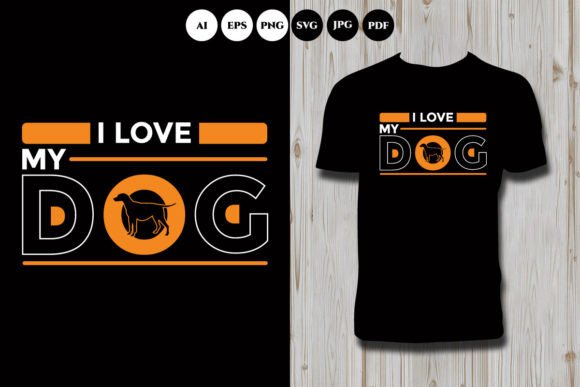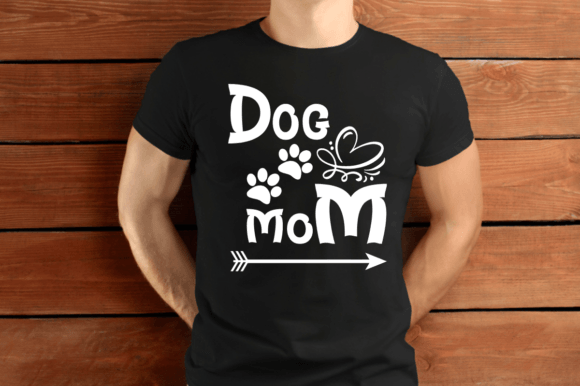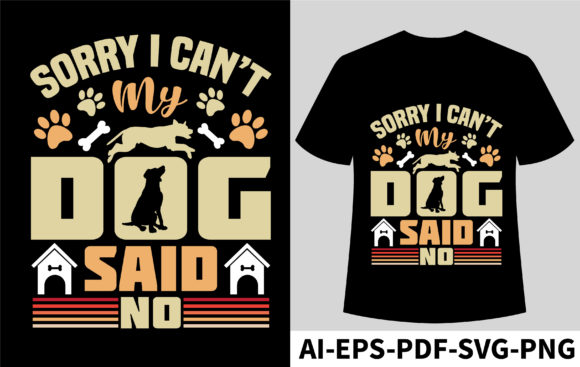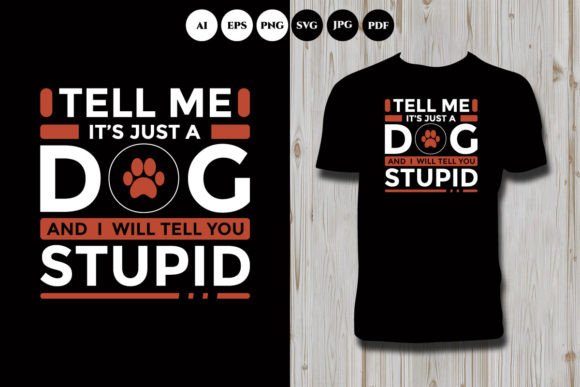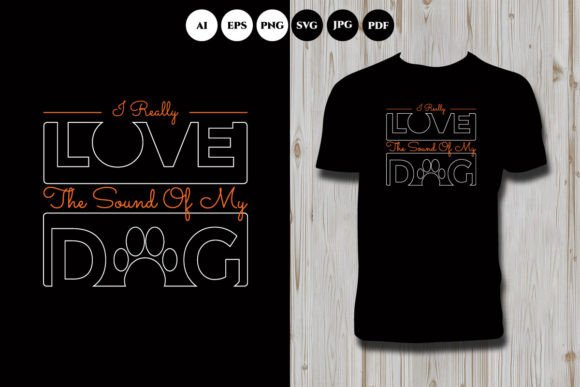
Creative Dog Calligraphy
A Designer’s First Glance: Friendly, Warm, and Just Right for Handmade Charm
When I opened Creative Dog Calligraphy for the first time, I didn’t see a generic dog graphic—I saw a quiet moment of personality. The script flows like ink on paper, soft but confident, with subtle flourishes that suggest care—not over-engineering. It’s not overly cutesy or cartoonish; it leans into warmth and authenticity, which makes it feel instantly suitable for handmade products where emotional resonance matters more than flash.
Real-World Use Case: A Custom Embroidered Tote for a Local Dog Rescue Pop-Up
Last month, I prepped embroidered totes for a weekend fundraiser hosted by a neighborhood rescue group. We needed something that felt personal but polished—no clip art energy, no pixelated edges, nothing that would look cheap after three washes. Creative Dog Calligraphy landed perfectly there. I stitched it on medium-weight canvas tote bags using a 4” hoop, standard tear-away stabilizer, and matte cotton thread. The result? Clean lines, legible lettering at 3.5”, and zero puckering—even on the slightly uneven weave of the fabric. Customers paused, smiled, and asked where we got “the design.” That’s the kind of quiet professionalism this piece delivers.
Where It Shines (and Where It Asks for Thoughtful Handling)
Creative Dog Calligraphy works especially well for:
- Custom apparel — sweatshirts, crewnecks, and lightweight tees where script readability matters more than dense fill;
- Personalized gifts — baby onesies, kitchen towels, and pillow covers where warmth and simplicity elevate sentiment;
- Small business merchandise — boutique aprons, café totes, or pet-friendly shop branding that avoids looking mass-produced;
- Holiday embroidery — think “Best Dog Dad Ever” on a linen tea towel or “Rescue Love” on a holiday stocking;
- Etsy listings and craft fair products — it reads as hand-selected, not algorithm-generated, helping your shop stand out in crowded search feeds.
But—and this is where experience kicks in—it’s not a one-size-fits-all embroidery file. Here’s where I slow down:
- Small hoop sizes (<4”): The tail of the “g” and curve of the “y” need breathing room. At under 3”, letter spacing tightens and risks stitch overlap.
- Textured or stretchy fabrics: On ribbed knit sweatshirts or thin jersey tees, use cut-away stabilizer + basting stitch to hold shape—this design relies on smooth flow, not structural density.
- Dark fabric backgrounds: Test contrast early. Light-colored threads (ecru, heather grey, soft peach) read beautifully, but white-on-black can flatten detail unless stitch density is adjusted.
- Curved surfaces like caps: Avoid center-front placement unless you’re willing to manually adjust underlay or reduce size—script doesn’t wrap naturally like block fonts do.
- Frequent-wash items: While the layout avoids ultra-thin satin stitch runs, always check corner joins and fine terminals (like the end of the “e”) for potential fraying over time.
What It Adds to Your Finished Product—Beyond Aesthetics
This isn’t just about how Creative Dog Calligraphy looks on screen—it’s about how it lands in someone’s hands. When stitched cleanly, it adds perceived value: customers associate fluid calligraphy with intentionality and care. That translates directly to higher trust in your craft business, stronger brand consistency across Etsy listings or social mockups, and better giftability (people *want* to give things that feel special, not stock).
I’ve used it in digital embroidery files for client projects ranging from wedding favors (“The Best Ring Bearer & His Dog”) to small-batch nursery decor. In every case, it helped the finished product feel curated—not templated. And for Etsy sellers, that distinction is commercial gold: shoppers scroll past dozens of dog designs daily. Creative Dog Calligraphy earns attention because it feels human-made, not AI-suggested.
Practical Notes Every Embroidery Designer Should Run Through
Before stitching your first Creative Dog Calligraphy project, here’s my checklist:
- Test on scrap fabric first—especially if using textured or dark material.
- Review thread color contrast in natural light, not just on screen.
- Check stitch density visually: Look for any areas where fill stitches crowd running-stitch outlines—adjust if needed.
- Confirm hoop size compatibility with your machine and intended garment area.
- Inspect small details at actual stitch-out scale—zoom in on terminals, crossbars, and curves.
- Test black-and-white mockups to ensure legibility without color cues.
- Compare performance on light vs. dark fabric backgrounds—some scripts lose rhythm when reversed.
- Use appropriate stabilizer: medium tear-away for stable wovens, cut-away for knits or stretch.
- Verify licensing before selling finished items or bundling the digital embroidery file—Shaan Design Store offers T-Shirt Designs for personal and likely commercial use, but always confirm scope before scaling.
Final Thought: Not Just a Graphic—A Thoughtful Design Asset
Creative Dog Calligraphy isn’t flashy. It won’t dominate a tradeshow booth with neon gradients or 3D puff effects. But it does something rarer in today’s oversaturated digital embroidery space: it invites connection. Whether you’re stitching it onto a baby blanket for a new pet parent, embroidering it on a staff apron for a local vet clinic, or listing it as part of a curated bundle for fellow Etsy sellers, it carries weight because it’s designed with restraint and empathy—not just vector points.
If you’re building a craft business rooted in authenticity, this is the kind of design asset that quietly strengthens your voice. It fits seamlessly into handmade product lines, supports thoughtful gifting, and holds up across seasons—not as a trend, but as a trusted staple. Just remember: even the most elegant script needs smart execution. Treat Creative Dog Calligraphy like a collaborator—not just a file—and it’ll deliver far beyond its pixels.